Haroon's Story
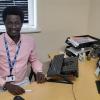
Description
The Long Road Home: Haroon’s Story
My name is Haroon. I am originally from Sudan, from the Nuba Mountains. I came to the UK as an asylum seeker, was later granted refugee status, and I am now a British citizen. Wales is my home, but the journey here was long, dangerous, and shaped by war.
I was born into conflict. In the Nuba Mountains, war has existed for most of my life. It was not something that started suddenly. It was always there. I grew up understanding fear before I understood politics. Staying alive was part of everyday life.
I come from a large family. There were nine children, plus our parents, and sometimes grandparents too. We often lived crowded together with very little. There was no steady work, no security. Because of the war, we lost family members. I lost a younger sister and a brother. Those losses never leave you.
When I was sixteen or seventeen, I made the hardest decision of my life. I left Sudan. My parents did not want me to go, but I knew I had to. I wanted safety, and I wanted to find a way to support my family. Staying felt like standing still while everything fell apart.
Before leaving the country completely, we had already been forced to move many times. When the fighting intensified, families split up. Some went to Khartoum, others stayed in the mountains. I reached the capital but did not stay long. I knew I had to keep moving.
I left with nothing. No money, no support, no clear plan. I travelled by jumping onto lorries, moving from village to village. It took around two weeks to reach Khartoum. When I arrived, I worked for two months to earn enough money to continue.
From Khartoum, I travelled to Egypt. That journey took about a month. I stayed in Egypt for around two years, working and saving, always thinking about survival and the next step.
Then came Libya. That was the worst part of my journey. I spent seven or eight months there. Life was brutal. You work all day without knowing if you will be paid or even survive. If you refuse a job, you risk being killed. I worked seven days a week, fourteen hours a day.
I lost close friends in Libya. Five of them died. Sometimes they were killed just for asking to be paid. We were told we had no rights. During those years, I had no contact with my family at all. No phone, no internet, no way of letting them know I was alive.
When I escaped Libya and reached Italy, I still had nothing. I moved through Europe by following others, taking trains, hiding, being stopped and sent back. Hunger became normal. In France, I survived by eating discarded food. That experience strips you of dignity, but you keep going.
Eventually I reached Calais. I tried more than fifty times to enter the UK. Each failure meant being pushed back and trying again. The worst moment came when my close friend Mohammed died while we were running from the police. He fell into the river and never came out. His family still does not know what happened to him. That memory stays with me.
In July 2015, late at night, I finally arrived in Dover hidden on top of a lorry. Somehow, I was not detected. When the driver discovered me, he called the police. I raised my hands and cooperated. I spent one night at a police station, then immigration took me into the asylum system.
After a short stay in Cardiff, I was moved to Swansea in August 2015. Next month marks ten years since I arrived.
The early days in Wales were difficult. I thought I could quickly find work and support my family, but instead I faced interviews, paperwork, and loneliness. I had no family here and no certainty about my future.
After four months, my asylum claim was accepted. I got my papers in December. The first thing I did was apply for work. I started a warehouse job in January and worked extremely hard. My focus was clear: rebuild my life and support my family back home. I helped my brothers return to education, supported my parents, and helped build a home for them.
After a year, I knew I needed to think long term. I returned to college in Swansea and started learning English from the basics. Step by step, I progressed. In 2017, I finished college and applied to university.
University was one of the hardest challenges. English was not my first language. I failed early assignments, but I learned and kept going. I completed an undergraduate degree in HR and later a Masters in recruitment and HR at Swansea University. Alongside my studies, I worked weekends in restaurants. For years, I had no real days off.
After graduating, I chose to work at the Welsh Refugee Council. I wanted to give back. I remembered arriving with nothing, and I wanted to support others starting their own journeys.
What stands out most about Wales is the kindness. People welcomed me. Charities, neighbours, services, and communities supported me. Over time, Swansea became home. I built friendships that made me feel I belonged. There is now a strong Sudanese community here too.
I miss my family, but returning to Sudan no longer feels possible. Too much has changed. My life is here now.
My goals are clear. I want to progress into HR leadership and eventually start my own business. I want to contribute, employ people, and keep building.
If I had to describe Wales in one word, it would be home. I arrived with nothing after a three-year journey. Here, I found safety, opportunity, and a future.
More items with these tags
Contact Us
To request take down or report racist, offensive or otherwise harmful content.
You must be logged in to leave a comment