Chris' Story
Description
Between Cheese Markets and Mountains – Chris’s Story
I was born in the West Midlands, but I became Welsh at thirteen. That was when we moved to Cardiff, and when I began thinking seriously about who I was and where I belonged. My father’s journey to Wales began much earlier, shaped by war, chance, and a deep belief in standing your ground.
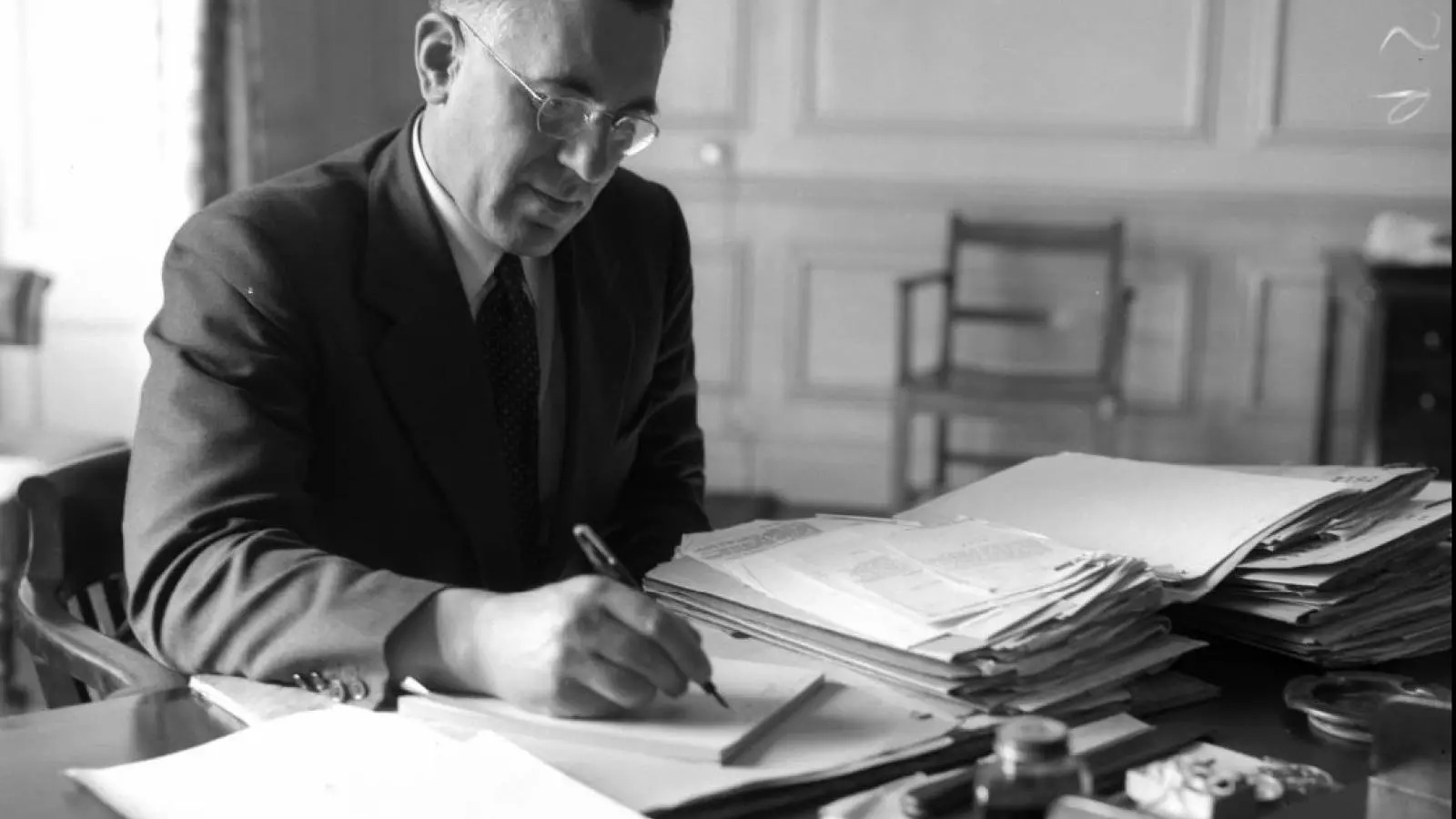
My father was born in 1923 in Alkmaar in the Netherlands, a town known for its cheese markets. Before the Second World War, he trained as a printer at technical college. During the war, that skill became dangerous. He joined the Dutch resistance, printing materials for them, while his parents hid a Jewish girl from the Nazis. She survived and later emigrated to America.
After the war, the resistance was disbanded and my father was drafted into the Dutch army. The Dutch forces were being trained and armed by the British, so he was sent to the West Midlands near Wolverhampton. He did not even have a proper dress uniform. When he wanted to go to a dance, he cut the tail off his shirt to make a tie. That was where he met my mother, Pamela. My father had the gift of the gab. He told her he was studying the interiors of British homes and asked if he could see hers. One thing led to another, and they married in 1947, during the coldest winter on record. They had to clear snow from the church before the ceremony.
Soon after, my father was sent to Indonesia during its fight for independence from the Dutch. He became a quartermaster sergeant, which set the course for his working life. When he returned to Britain in 1950, he worked his way up from warehouse hand to manager at the Co-op and later became an under-buyer at a department store. In 1965, his job brought us to Cardiff, where he became food buyer at David Morgan’s. We lived in a vast flat above the Morgan Arcade, built around a light well, with corridors long enough to cycle down. It felt like a world of its own in the centre of the city.
School was rough at first. The nearest one was in Grangetown, and everyone thought I was a Scouser. Things improved when we moved to Radyr, and I settled in. I went to university in Cardiff and met people who spoke Welsh. I began learning the language in 1972. I now live in a Welsh-speaking area and have lived in Wales for sixty years.
We were white Europeans, so we faced little direct prejudice, but our surname caused confusion. Schoon was often assumed to be German and constantly mispronounced. We settled for “scone” for years, but I have since returned to the proper pronunciation. The Welsh can manage the guttural sounds, I always say.
Dutch traces ran through my childhood. Some things in our house never had English names. Green beans were always sperziebonen. I remember my father finding a hedgehog in the garden and announcing, quite seriously, that there was a “stickled pig” outside. Language carries memory like that.
One moment stands out. We were visiting castles on the Gower, and a guide from the Midlands kept saying, “We conquered this part of Wales.” For the first time, I thought, who exactly is we? That was my epiphany. I stopped thinking of myself as English. Wales had done its work on me.
Migration is not a break from values. It is often a continuation of them. My father was in the Dutch resistance. I am a member of Plaid Cymru. To me, that is the same thread.
Wales has been, for most of my life, a welcoming place. People arrive, stay, and change, and are changed in return.
More items with these tags
Contact Us
To request take down or report racist, offensive or otherwise harmful content.
You must be logged in to leave a comment