Wales and National Service 1947-63. A Celebration of Veterans Held in The National Library of Wales.11th June 2026
















Description
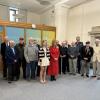
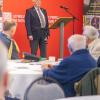
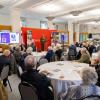
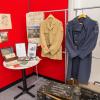
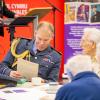
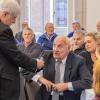
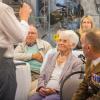
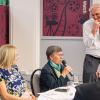
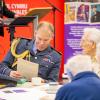
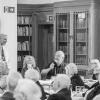
On 11th June 2026 in the National Library of Wales, a Celebration of National Service Veterans living in Wales, was organised by Age Cymru Dyfed within a project funded by The National Lottery Heritage Fund. This unique event was attended by a maximum capacity of 100 and served to shed light on a little-known part of Welsh (and UK) history. This collection presents photographs of the many veterans, their relatives, senior military figures and the Lord Lieutenant of Dyfed Miss Sara Edwards.
What was National Service?
After the Second World War ended in 1945, Britain began to reduce its armed forces as people returned to civilian life. However, the government still wanted enough troops to meet its responsibilities in Britain and overseas. To do this, it introduced National Service through the National Service Act 1948. This meant that most fit young men had to register by law and could be called up to join the armed forces. Women were not included in this law. National Service was a form of peacetime conscription, and it affected many families and communities in Wales and across the UK.
Young men were usually called up at the age of 18. They had to register, attend a medical examination, and, if accepted, go to a training camp. Refusing to take part could lead to punishment by law, including prison. However, some people could delay or avoid service. For example, it could be postponed for apprentices, university students, or others whose education or training would be interrupted. Men working in important jobs, such as farming or coal mining, could sometimes be excused while they stayed in that work. These rules show how the government tried to balance military needs with the needs of the economy and everyday life.
People did not all feel the same way about National Service. Some accepted it as part of their duty, while others disagreed with it for moral, political, or religious reasons. People who said they were conscientious objectors had to explain their views to a tribunal. If their case was accepted, they might not have to do military service, or they could be asked to do civilian work instead. Studying these different experiences can help learners think about how governments make decisions, and how people respond when laws affect their lives.
Age Cymru Dyfed interviewed twenty-five former National Servicemen for this project. The Veterans spoke openly about their individual experiences. Many reflect on what they learnt, which included new skills that have remained with them throughout their lives.

More items with these tags
This item also appears in

Contact Us
To request take down or report racist, offensive or otherwise harmful content.
You must be logged in to leave a comment