Cae’r-gors, Rhosgadfan, Caernarfonshire


The Cottage
The front elevation of Cae’r-gors suggests a typical two-room cottage plan with attached byre, but once inside the visitor sees that the cottage is, unusually, two rooms deep. The ubiquitous cegin/ parlwr (kitchen/parlour) arrangement is still present at the front of the house, but it is supplemented by a second bedroom and a dairy as well as a tiny loft over the parlour. The family would have made its income from the quarry as well as tending the few acres of land immediately beside the cottage, which, as the name Cae’r-gors (Marsh Field) suggests, was not of the best quality. The interior has been displayed as it may have looked in Kate Roberts’s day in the early twentieth century, with most of the furnishings Victorian in origin. Life must have been difficult on this windswept slope. As Kate Roberts wrote in her autobiography, Y Lôn Wen (1960):
‘The people of my time were people fighting against poverty… we never saw wealth, but we had a wealth that nobody could take away from us, the wealth of language and culture.’
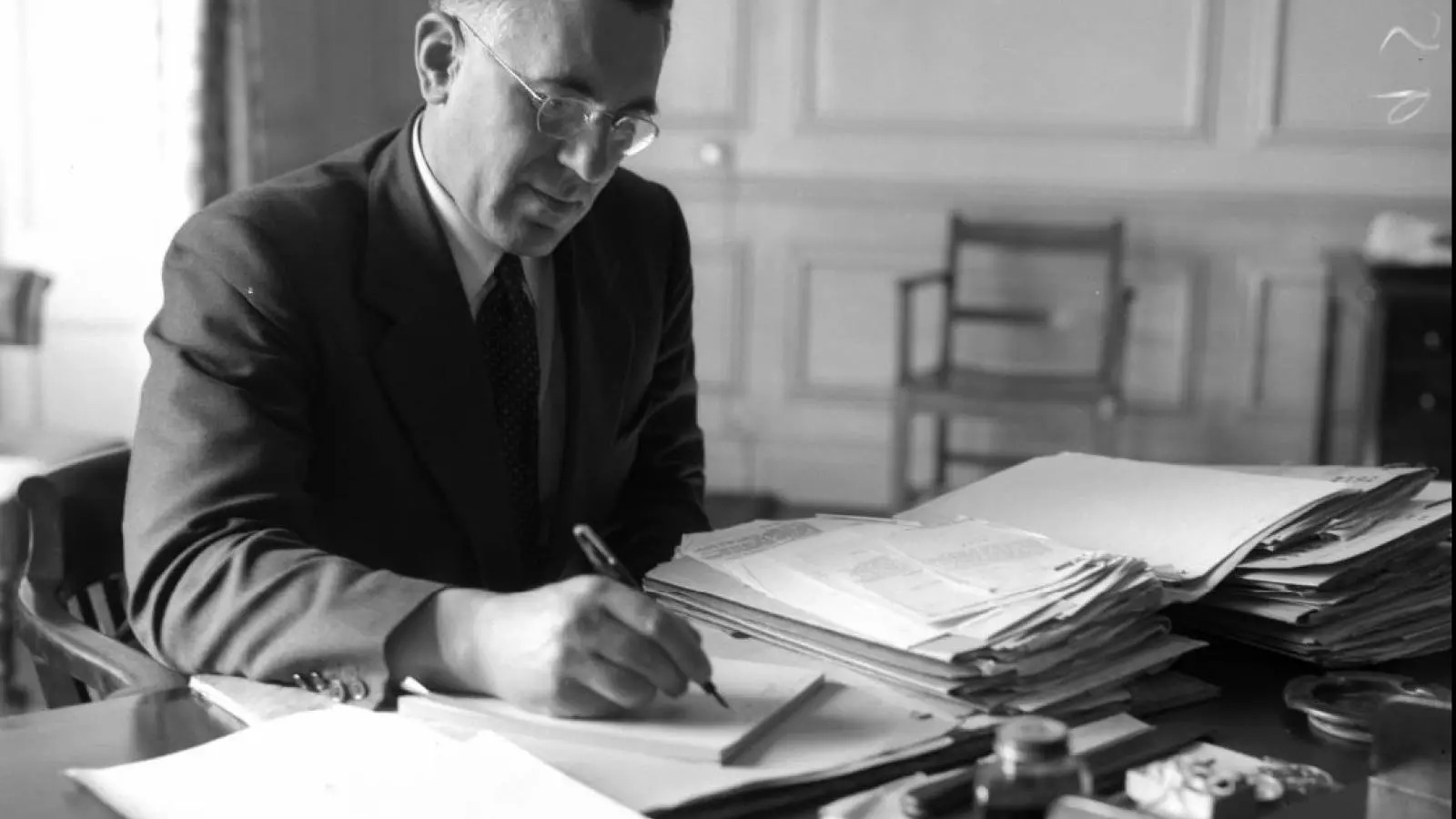
Kate Roberts
It is because the author Kate Roberts (1891–1985) lived at Cae’r-gors that this tyddyn or smallholder’s cottage has been preserved and restored, but it is important as an expression of the way of life of slate quarry workers at the end of the nineteenth century. The hillside around Rhosgadfan is littered with cottage small-holdings like Cae’r-gors, though many have been extended and modernised. Unlike many areas where there were purpose-built homes for the industrial workers, here the quarry families occupied small detached and semi-detached cottages that are essentially rural in appearance.

Contact Us
To request take down or report racist, offensive or otherwise harmful content.
You must be logged in to leave a comment